English
  Français


THE FIE ORGANISES A WORKSHOP TO BETTER ADDRESS THE PROBLEM
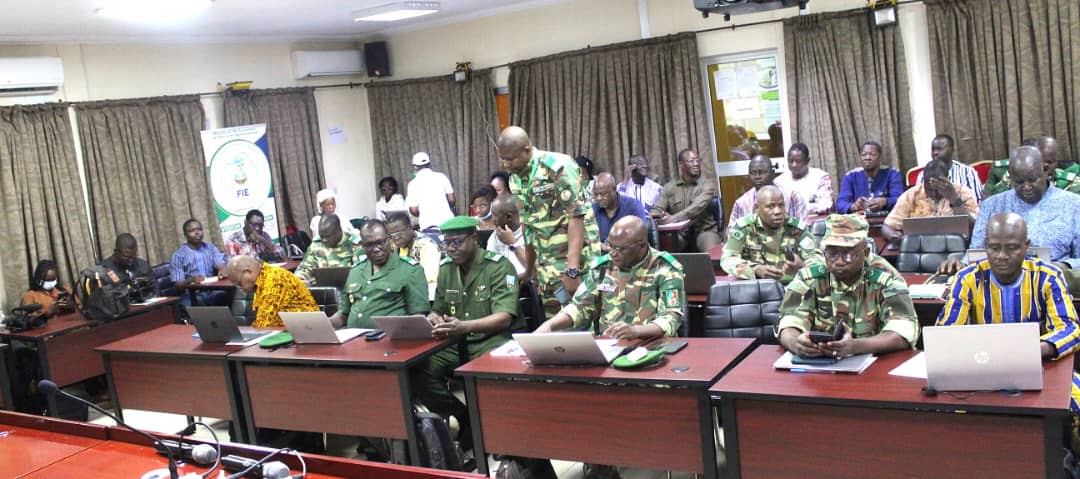
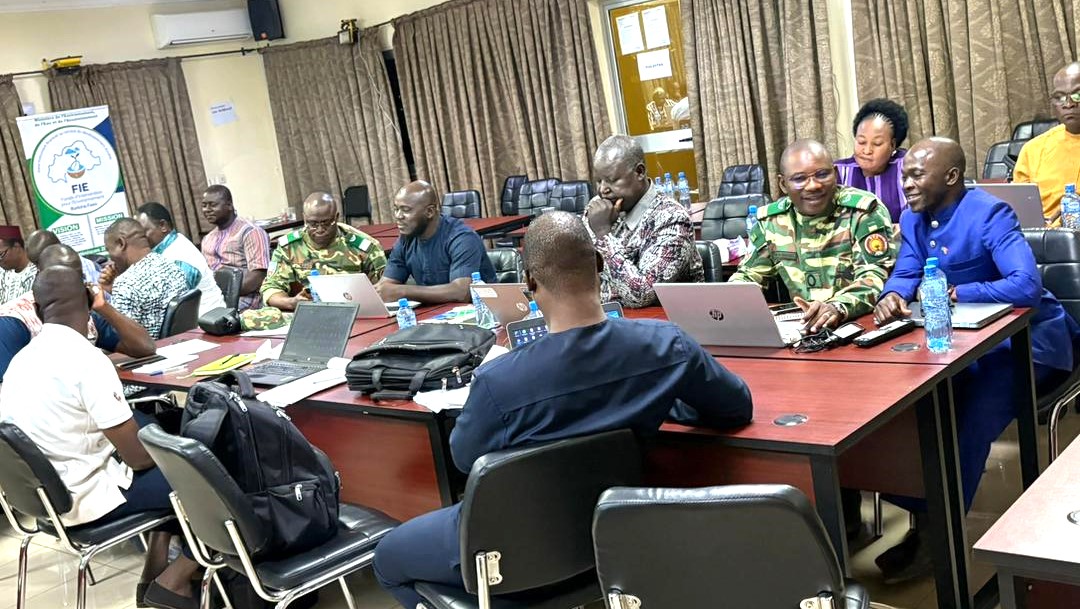
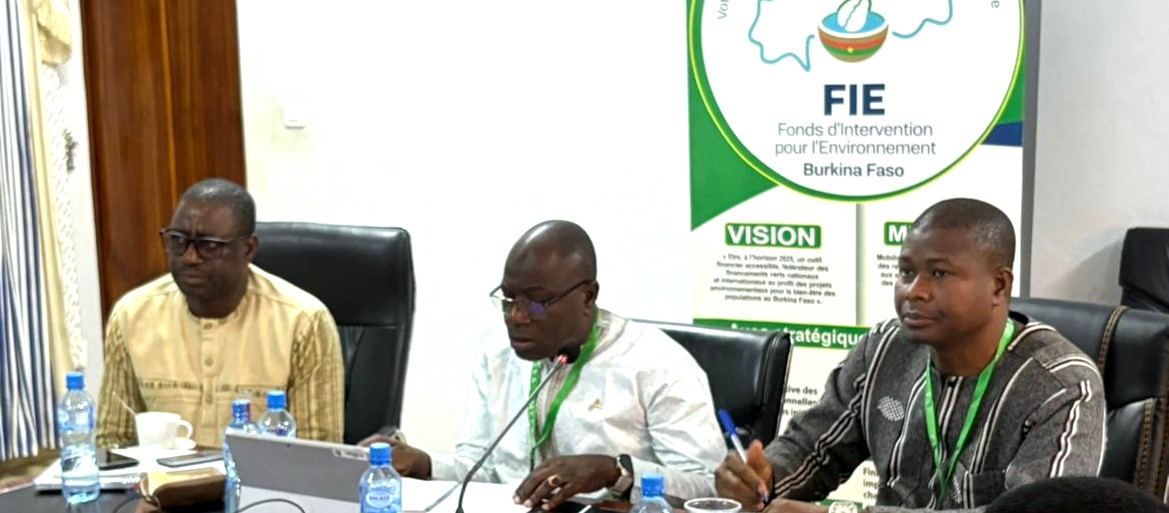
The Environmental Intervention Fund (FIE) is organizing a workshop in Ouagadougou from December 8th to 10th, 2025, to discuss the damage caused by certain wild animal species in Burkina Faso. The workshop's theme is " Sustainable management of human-wildlife conflict in Burkina Faso: issues, challenges and perspectives ".
In his welcoming remarks, the Director General of the FIE, Delwandé Davy NANEMA, emphasized that in several regions of our country, particularly in Tannounyan , Guiriko , the Bankui and Djôrô , elephants and other wild animal species are regularly reported for their incursions into inhabited areas.
He specifies that these incursions result in the destruction of millet, maize, and sorghum fields, causing agricultural losses estimated at over 30% in some areas. In addition to crops, homes and agricultural infrastructure are also damaged, exacerbating socio-economic risks and jeopardizing the safety of rural populations.
According to the Director General of the FIE, these conflicts lead to disruptions in ecosystems with the loss of biodiversity through the poisoning and slaughter of wild animals, whose survival is threatened worldwide, as is the case with elephants.
This table demonstrates , says Mr. NANEMA, that the damage caused by certain wild animal species in Burkina Faso is a current concern, especially in light of recent news, with the appearance of wild animals in Ouagadougou and Bobo-Dioulasso.

It is within this framework that the FIE initiated the organization of this workshop, bringing together all stakeholders. This workshop aims to analyze the current damage management system, the complex dynamics of human-wildlife conflicts, and to propose strategies adapted to the national context.
It also aims to identify sustainable financing mechanisms for conservation, while taking into account social, economic and environmental impacts.
The opening ceremony was presided over by the Director General of Water and Forests, Colonel Barnabé KABORE, representing the Minister of the Environment, Water and Sanitation. He noted that this workshop was not simply an administrative meeting. " It is a forum for multi-stakeholder dialogue, a platform for collective intelligence, aimed at analyzing the complex dynamics of these conflicts. Our overall objective is to define sustainable strategies for prevention, management, financing, and conservation ."
More specifically, during the 72 hours of work, through plenary and working group discussions, participants will establish a precise national overview of human-wildlife conflicts; analyze the socio-economic and environmental impacts; identify and share endogenous knowledge, these treasures of local resilience, in terms of prevention and alert.
The workshop will also allow participants to take stock of resource mobilization for the management of protected areas; propose innovative and integrated solutions for sustainable conservation financing and crucially strengthen coordination between state institutions, local authorities, local communities and civil society.
For Colonel KABORE, the stakes are immense. “ It is a matter of reconciling the security of rural populations with the preservation of an invaluable natural heritage for future generations. It is a matter of guaranteeing the sustainable rural development of our country. I urge you to engage in frank, constructive, and action-oriented discussions. The quality of your expertise and your commitment are our greatest assets in meeting this challenge ,” he concluded.
DCRP/FIE