English
  Français


THE SECOND DAY DEDICATED TO GROUP WORK
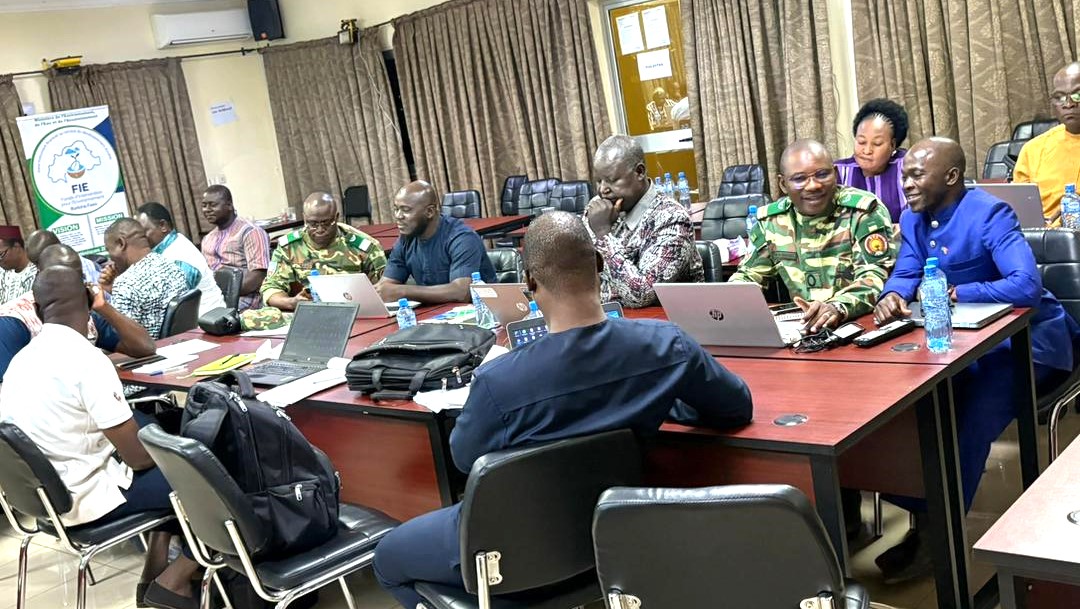
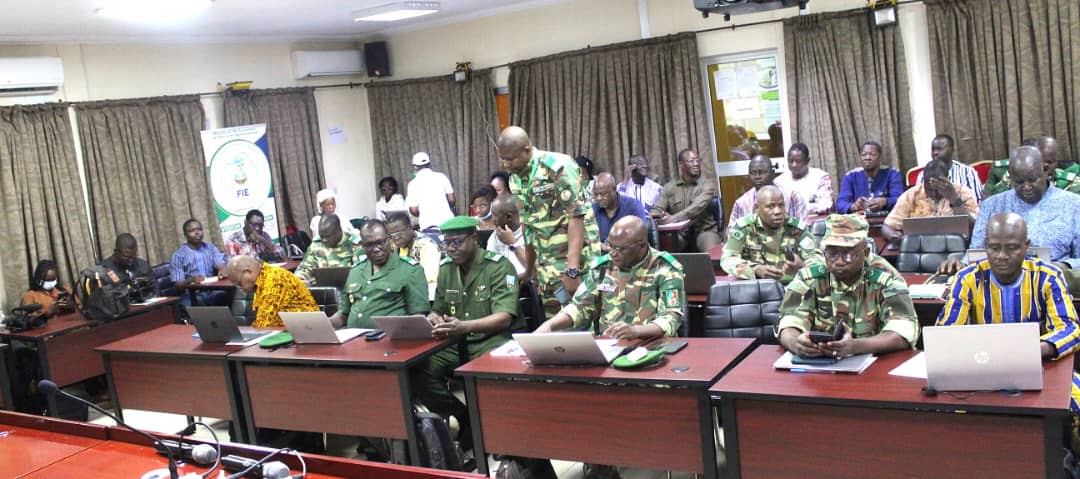
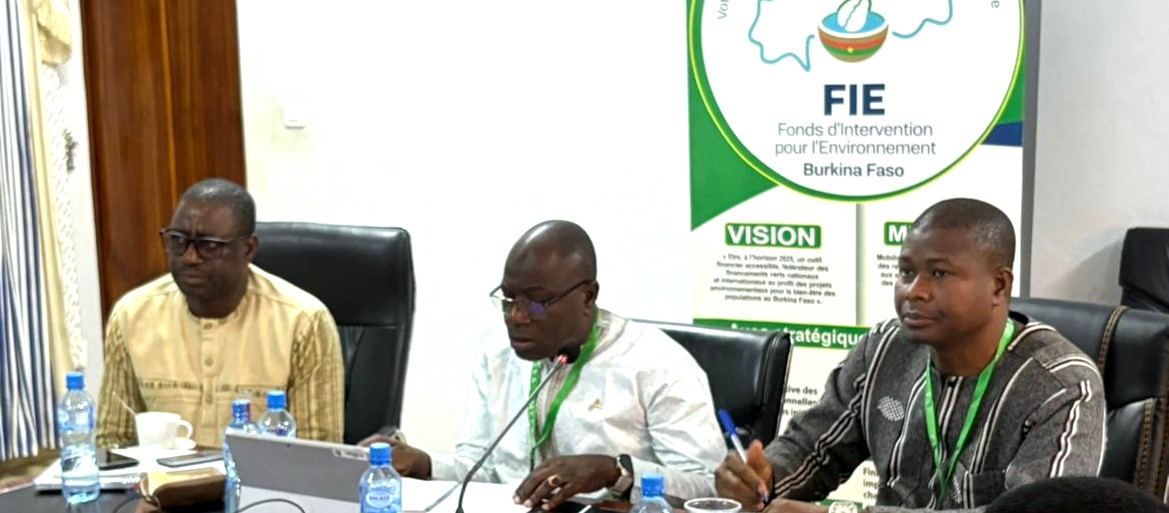
The second day of the workshop on the damage caused by certain wild animal species in Burkina Faso, organised by the Environmental Intervention Fund (FIE), is in full swing.
This second day of the meeting , themed " Sustainable management of human-wildlife conflicts in Burkina Faso: issues, challenges and perspectives " , was devoted to group work .
Thus, the participants were divided into groups, with different themes, all contributing to finding the best ways and means to better manage the damage caused by certain wild animal species in Burkina Faso.
Group 1 worked on the theme "Socio-economic and environmental impacts" of damage caused by wild animal species. They were expected to answer the following questions: Which species cause what types of damage? What are the losses in income, crops, and infrastructure? Are there any wildlife-related incidents or movements? What are the impacts on wildlife, flora, and habitats? What local sources or data exist?
As for Group 2, it focused on the theme: "Indigenous Knowledge and Community Mechanisms." The members responded to the following question: What techniques are used to prevent conflicts? Who intervenes locally (hunters, leaders, committees)? Are these practices effective? What are their limitations? How can this knowledge be integrated into policies? Are there any cases of successful collaboration?
Regarding Group 3, its deliberations focused on the following theme: "Sustainable financing and resource mobilization for the sustainable management of forest and wildlife resources." The following questions were submitted for its consideration: What financing mechanisms are in place? What difficulties exist in their implementation? What other sources of funding can be mobilized? How can sound management of funds be ensured? What sustainable mechanisms should be recommended?
Group 4 focused its deliberations on the analytical framework of the current compensation system: DECREE N°2016- 111 IPRESIPM/MEEVCC/ MATDSI concerning the conditions and procedures for repairing damage caused by certain wild animal species in Burkina Faso.
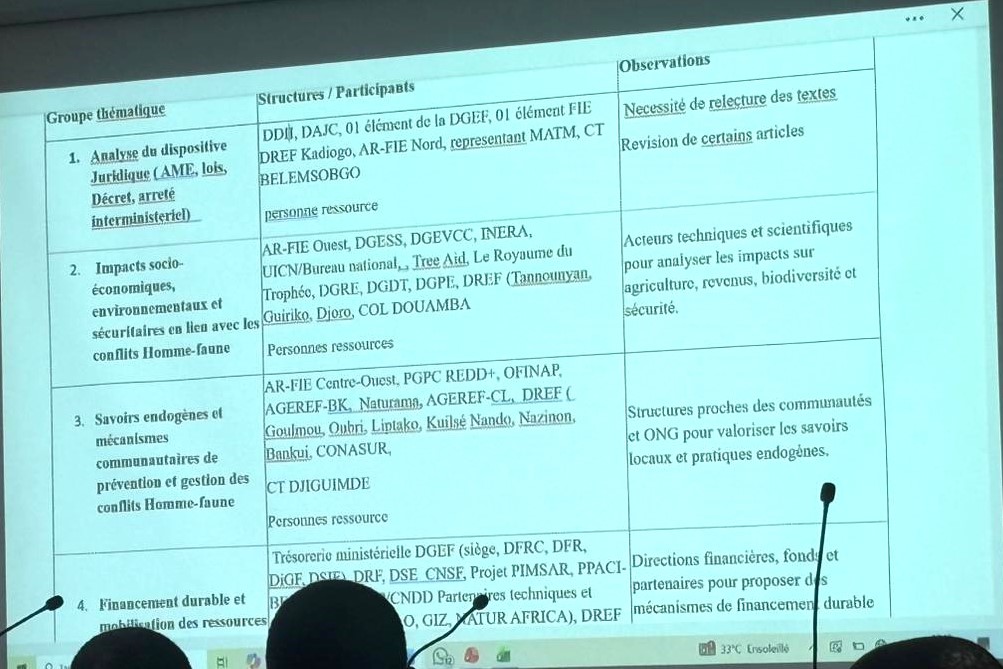
Finally, Group 5 focused on the theme of institutional coordination and local governance. Members considered the following questions: Who are the institutions and partners involved? How is consultation organized? What are the roles and limitations of the fact-finding committees? How can local participation be strengthened? How can transparency and monitoring be improved? Which species cause which types of damage?
Members of the different groups met in plenary session at the end of the morning to present the results of their work, with the hope that relevant proposals will be made for better management of the damage caused by certain wild animal species in Burkina Faso.
The final day of the workshop will be devoted to the holding of the thematic forest/wildlife committee, which will analyze the files of damage caused by certain wild animal species, this Wednesday, December 10, 2025.
DCRP/FIE